
The casino environment is meticulously designed to be an immersive and stimulating experience, playing a significant role in the psychology of why people are drawn to it. From the ambient lighting and sounds to the visual displays of games, every element is crafted to enhance engagement and excitement. This sensory overload can trigger dopamine releases in the brain, creating a feeling of pleasure and anticipation that is highly addictive. Understanding how to winthere is often a complex interplay of strategy and luck.

This carefully curated atmosphere taps into fundamental human desires for excitement, risk, and the potential for reward. The unpredictability of casino games, coupled with the possibility of a significant payout, creates a powerful psychological hook. The “near miss” phenomenon, where a player almost wins, can be particularly compelling, encouraging them to continue playing in the hope of achieving that elusive victory.
Understanding the motivations behind casino play is crucial to appreciating the psychological landscape. While the prospect of winning money is often a primary driver, other factors are equally significant. Many players seek social interaction, a form of entertainment, or an escape from everyday stresses. The casino can represent a temporary world where financial concerns are set aside for the thrill of the game.
Furthermore, cognitive biases heavily influence player behaviour. The illusion of control, where players believe they can influence the outcome of random events, is a common example. Superstitions, lucky charms, and specific rituals can all arise from this bias, reinforcing the belief in personal agency even in games of pure chance. This psychological coping mechanism helps players manage the inherent uncertainty of casino games.
The psychology of anticipation is central to the casino’s appeal. The build-up to a potential win, the spinning reels, the shuffling cards, all create intense periods of expectancy. This heightened state of anticipation is itself a powerful psychological reward. When that anticipation is followed by a win, however small, it reinforces the behaviour and strengthens the association between playing and positive feelings.
Casino games often operate on variable reinforcement schedules, meaning rewards are unpredictable in timing and magnitude. This type of reinforcement is known to be highly effective in establishing and maintaining behaviour, as it makes the reward feel more valuable and the pursuit of it more compelling. The thrill of not knowing when the next win will occur keeps players engaged and hopeful, driving continued participation.
A significant aspect of casino psychology involves how players perceive and manage risk. While games like roulette or slots are purely chance-based, others like poker or blackjack involve elements of skill. This blend can create an illusion of skill even in games with a strong random component, leading players to believe their decisions have more impact than they actually do.
The concept of “chasing losses” is another powerful psychological phenomenon observed in casinos. When players experience a losing streak, the desire to recoup their losses can become overwhelming. This often leads to increased betting and risk-taking, sometimes with disastrous financial consequences. Recognizing this urge and implementing strategies to avoid it is a key aspect of responsible gambling.
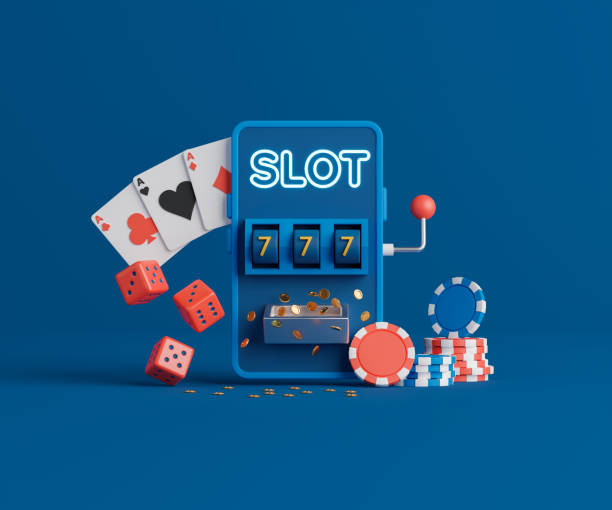
Organizations like WinThere-Bet.org.uk play a vital role in navigating the complex psychological landscape of casino engagement. They aim to provide resources and information that empower individuals to understand the psychological drivers behind betting and to make informed decisions. By shedding light on the allure of casino wins and the underlying psychological mechanisms, such platforms can foster a more responsible approach to gambling.
WinThere-Bet.org.uk likely focuses on educating the public about the potential pitfalls of gambling, offering guidance on setting limits, recognizing signs of problematic behaviour, and seeking support. Their mission is to ensure that the excitement of casino play does not lead to detrimental consequences, promoting a healthier and more balanced perspective for those who choose to participate.