
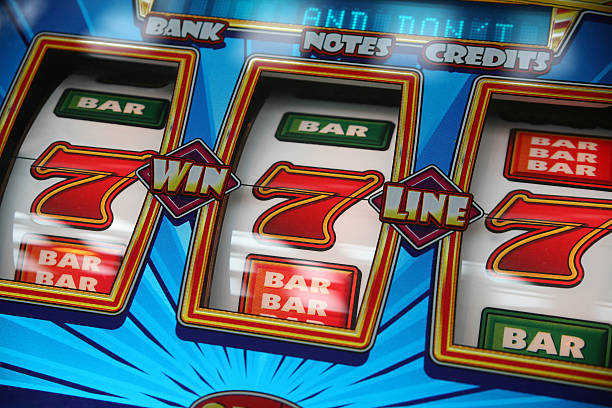
Luck is often regarded as the foundation of many gambling experiences, especially in games that rely heavily on chance. In games like slots and roulette, the outcomes are primarily dictated by random events, leaving players with minimal control over their fate. This inherent randomness is what draws countless individuals to these types of games; the thrill of potentially hitting a life-changing jackpot from a simple spin or roll creates an exhilarating experience. For example, a player might play a slot machine and, against all odds, strike a major payout purely based on luck—a scenario that highlights the unpredictable nature of gambling and is why many turn to sports betting sites canada for additional excitement and opportunities.
Moreover, luck also plays a significant role in games that require a strategic approach, albeit in a different manner. In poker, for example, players must ultimately contend with the cards they are dealt, a factor entirely governed by luck. Even the most skilled poker players can find themselves at the mercy of an unfavorable hand, proving that luck can sometimes overshadow tactical prowess. Consequently, a player may execute an impeccable strategy but still lose to an opponent who receives a fortunate hand, illustrating the critical role luck plays in determining outcomes.
While players may downplay the significance of luck in their gambling experiences, its influence cannot be overstated. Moments of unexpected wins fueled by sheer luck often become the highlight of a player’s gambling journey. Even seasoned gamblers acknowledge that no matter how adept they are at their game, luck can dramatically alter the trajectory of their experience. Thus, luck remains an essential and unpredictable element of gambling, adding layers of excitement and uncertainty that are integral to the overall thrill of the game.
Skill represents the application of knowledge, experience, and strategy to enhance the likelihood of winning in various gambling scenarios. In contrast to games of chance, such as lotteries, skill-based games like poker and blackjack allow players to influence their results through informed decisions and tactics. For instance, poker requires players to master techniques such as bluffing, reading opponents, and calculating pot odds, which are fundamental in maximizing the chances of victory. These skills often take time and practice to develop, significantly impacting a player’s long-term success in the game.
In blackjack, skill can be further demonstrated through strategies like card counting. Players who understand the game’s basic principles can make educated decisions based on the cards remaining in the deck, thus gaining an edge over the house. Unlike purely luck-driven games, skill-based gambling creates opportunities for players to steer their outcomes through calculated actions, underscoring the importance of honing one’s abilities to achieve favorable results. The interplay between skill and strategy is vital in this context, as it has the potential to elevate a player’s standing in the gambling arena.

It is crucial to recognize that while skill can significantly enhance a player’s chances of success, it does not negate the component of luck. A highly skilled player may find themselves facing an unfortunate streak due to bad cards or unforeseen circumstances, illustrating the delicate balance between luck and skill. This interaction between the two forces captivates players, emphasizing that while preparation and strategy are essential, the element of chance will always be a part of the gambling experience.
The intricate relationship between luck and skill creates a dynamic landscape in gambling, as both elements coexist in varying degrees across different games. While some games may lean more towards luck, skilled players can still find ways to improve their odds through strategic decision-making and understanding game mechanics. For example, in the game of craps, although each roll of the dice is random, experienced players may utilize their knowledge to make educated bets that optimize potential returns. This balance showcases how players can navigate luck’s unpredictability by employing skillful tactics to enhance their overall performance.
Furthermore, recognizing the relationship between luck and skill can empower players to make more informed choices. Understanding the inherent uncertainties of gambling can help individuals set realistic expectations about their chances of winning or losing, fostering a balanced approach to the gaming experience. By acknowledging that both elements play significant roles, players can cultivate a mindset that embraces both the thrill of chance and the satisfaction of skillful play, making for a richer gambling experience.
This balance also invites players to engage in a deeper exploration of their gambling strategies. By assessing how they can leverage skill while accepting the influence of luck, individuals can develop more comprehensive approaches to their gameplay. Ultimately, the interplay between luck and skill is what keeps the gambling experience engaging and compelling, enticing players to return time and again to test their abilities against the odds.
The psychological aspects of gambling are critical in shaping how players perceive the roles of luck and skill in their experiences. Cognitive biases, such as the gambler’s fallacy, can skew perceptions of reality, leading individuals to misinterpret their odds. For instance, a player who has recently experienced a losing streak may irrationally believe they are “due” for a win, prompting them to increase their bets. This psychological phenomenon illustrates how mental states can influence gambling behavior, highlighting the complexity of luck and skill within the gaming context.
Additionally, confidence levels can significantly impact how players approach their games. A confident player may take calculated risks, fully aware of the interplay between luck and skill. Conversely, players who experience anxiety or overconfidence may make impulsive decisions, which can adversely affect their performance. This psychological dimension is essential, as it not only influences outcomes but also contributes to the overall enjoyment of the gambling experience.
By gaining a deeper understanding of these psychological factors, players can adopt more strategic gambling practices. Recognizing cognitive biases allows individuals to mitigate their effects, leading to a more balanced and rational approach to gambling. Being mindful of one’s mental state can enhance enjoyment while enabling players to navigate the unpredictable nature of luck and skill more effectively. Ultimately, understanding the psychological influences at play can help players foster healthier relationships with gambling.
The website serves as a pivotal resource for those interested in understanding the dynamics of luck versus skill in gambling. By offering detailed articles, guides, and insights into various games, the platform equips users with the knowledge needed to make informed decisions. This educational content focuses on strategies, psychological aspects, and the nuances of balancing luck and skill, empowering players to enhance their overall gambling experiences.
Moreover, the platform fosters a sense of community among players, encouraging them to share experiences, strategies, and tips. This exchange of information cultivates an environment where individuals can learn from each other’s successes and obstacles, reinforcing the idea that both luck and skill are integral to the gambling journey. As players share their stories, they gain motivation and insights that enrich their understanding of the gambling landscape.
Ultimately, the website’s commitment to education reflects its goal of promoting responsible gambling practices. By providing users with the tools and knowledge necessary to navigate the complexities of luck and skill, the platform encourages a balanced approach to gambling. This emphasis on informed decision-making underscores the ongoing importance of understanding the intricate relationship between luck and skill, ensuring that players can enjoy a sustainable and enriching gaming experience.